
 Piping - Insulation
  Piping Fittings
  Valves - Cannulas
 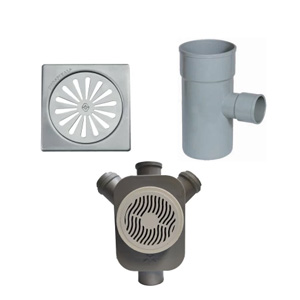 Drains
 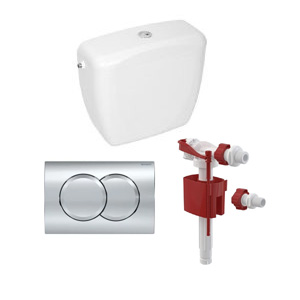 Water tanks - Accessories
  Support - Tables
  Spiral
 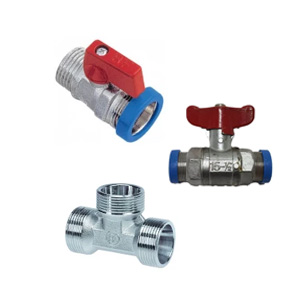 24x19 components
 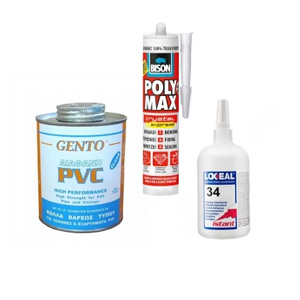 Welding - Sealing
 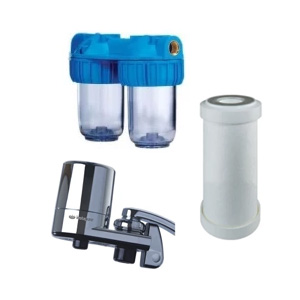 Water filter
 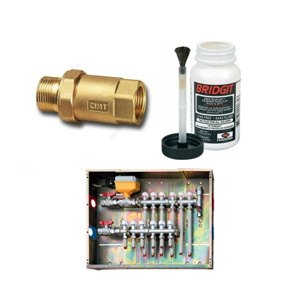 Various Plumbing Items
 Water tanks
  Bathroom Sinks
  Tiles
Tiles 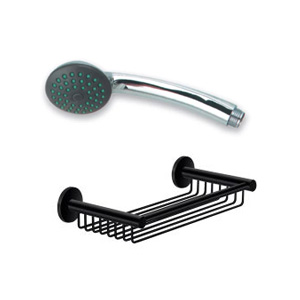 Bathroom accessories
 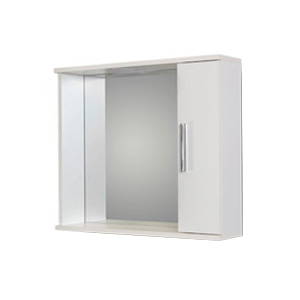 Mirrors
 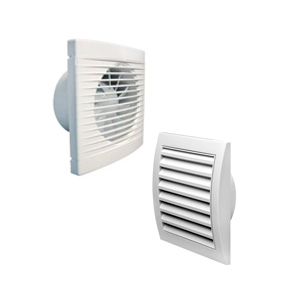 Ventilation Accessories
 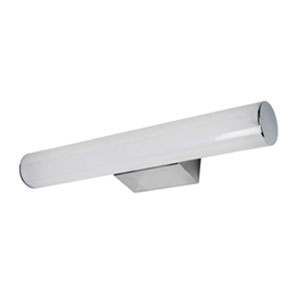 Bathroom lighting
 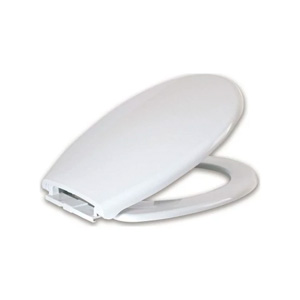 Basin Covers
 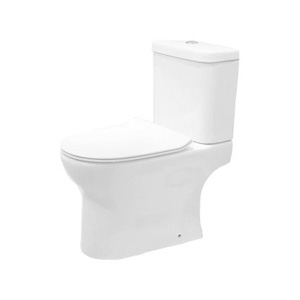 Basins
 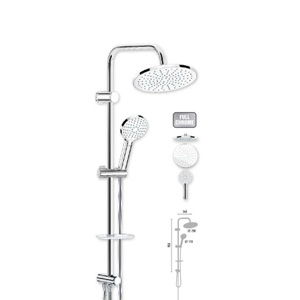 Shower Columns
 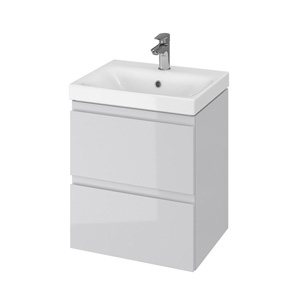 Bathroom furnishings
  Bathroom cabins
  Showers
  Sinks
Sinks 
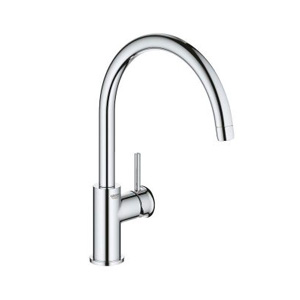 Kitchen faucets
 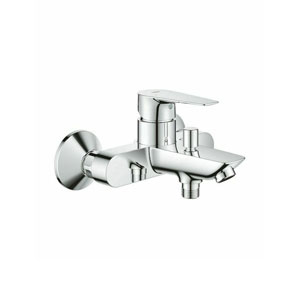 Bathroom batteries
 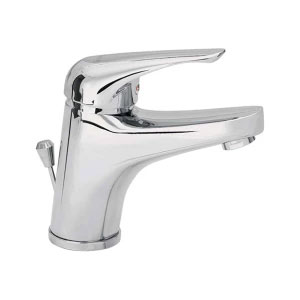 Sink batteries
 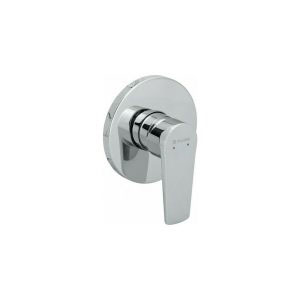 Built-in batteries
  Bidet faucets
  Battery Spare Parts
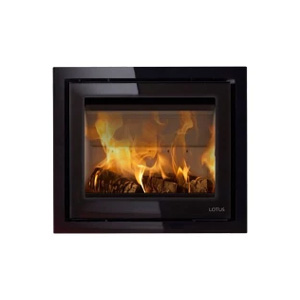 Fireplaces
 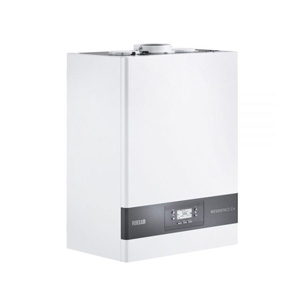 Boilers - Burners
 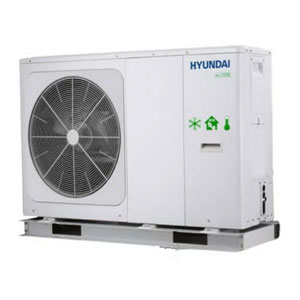 Heat pumps
 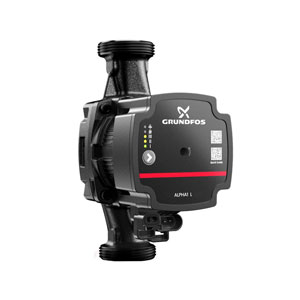 Circulators
 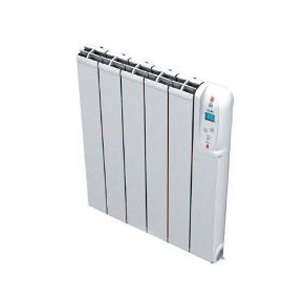 Heating Devices
 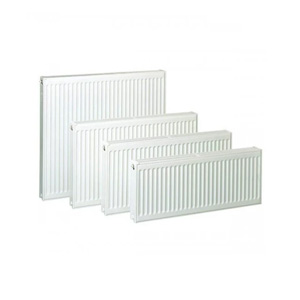 Radiator bodies
 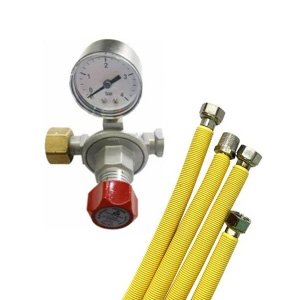 LPG accessories
 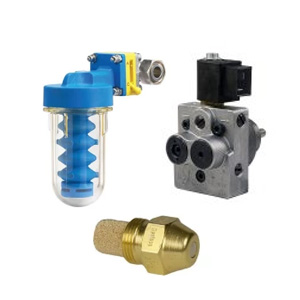 accessory
  Spare parts
  Heating accessories
  Chimneys
  Plastic tanks
  Air conditioners
  Fans
Fans  Dehumidifiers
 Sockets - Switches
  Paintings
 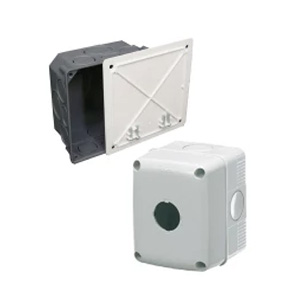 Electrical Boxes - Buat
 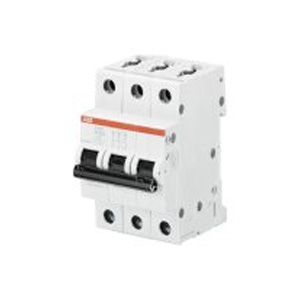 Raga materials
 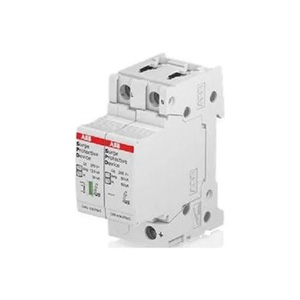 Lightning Protection & Grounding
 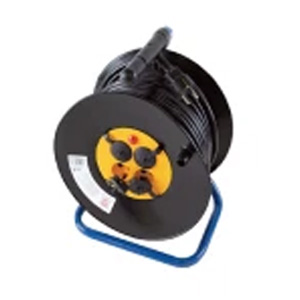 Fishing Reels - Extensions
  Plug - Socket - Power socket - Adapters
  Intercoms - Intercoms
  Dui
Dui  Channels - Accessories
  UPS - Voltage Stabilizers
  Absorbers
  Television Accessories - Antennas
  Connection & Support Materials
 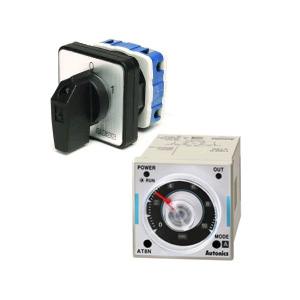 Various Industrial Facilities
 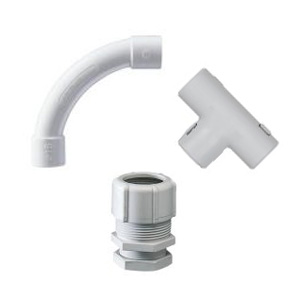 Installation Pipes
  Various materials
 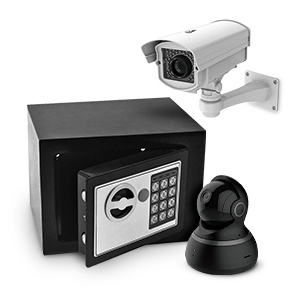 Alarms & Accessories
  Cables
  Consumables
 LED lamps
 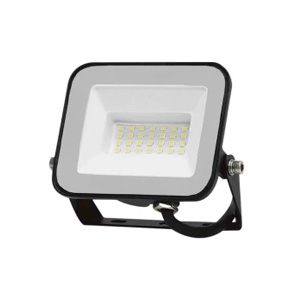 Headlights
 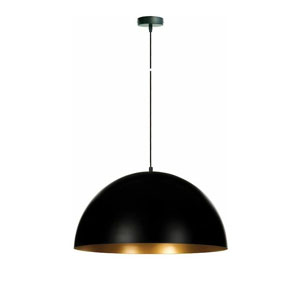 Indoor Lighting
 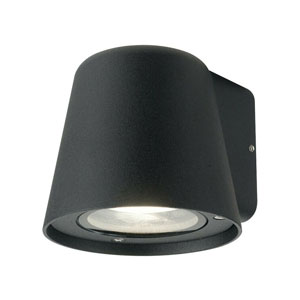 Outdoor Lighting
 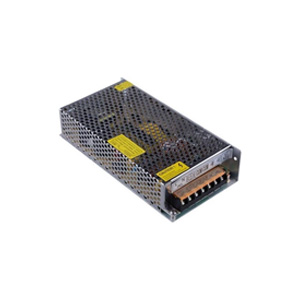 LED Power Supplies - Controllers & Dimmers
 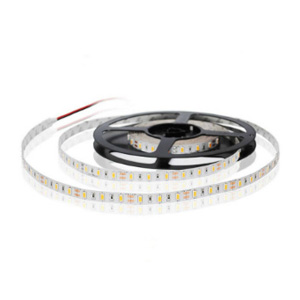 LED strips
 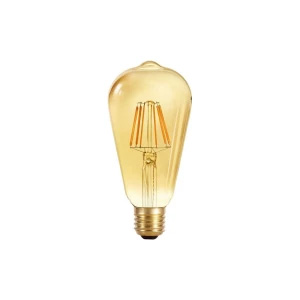 Decorative
 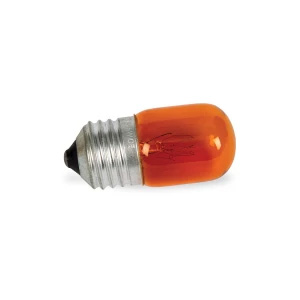 Various Lamps
 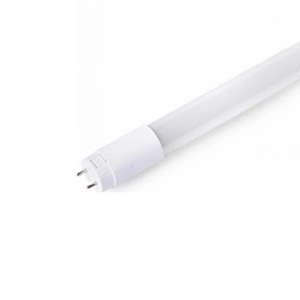 Fluorine lamps
  Professional Lighting
  Halogen lamps
  Linear Luminaires
  Rails - LED Rail Lights
  accessory
  Pear
Pear  G9 & G4
  Tube
Tube  Special Applications
  Candle
  Spot - GU10 - Studs
  Globe
Globe  Mirror
 Boiler
  Solar
Solar 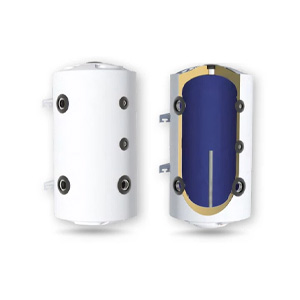 Inertia Containers
  Solar cover
 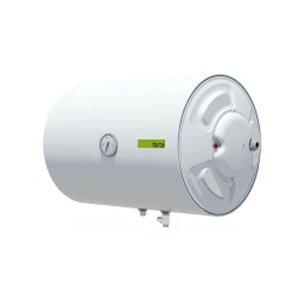 Water heaters
 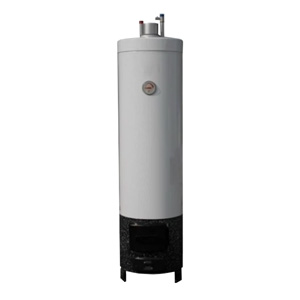 Wood-Electric Water Heaters
 Hand tools
  Blades & Blades
  Cleaners - Technical Sprays
 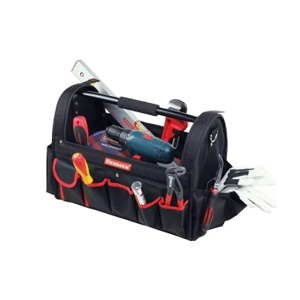 Toolboxes
 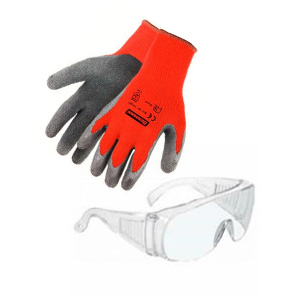 Protective Items
 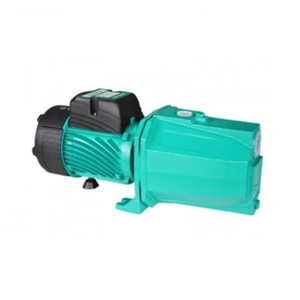 Water pumps
 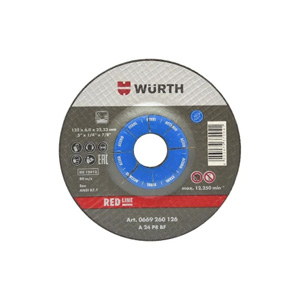 Cutting Discs
  Drills - Bits
  Building materials
  Adhesive Films
  Cleaning Brushes
  Connections-Watering Fittings
  Water Guns/Throwers
  Compressors - Vacuums
  Various materials


Energy-efficient air-heating fireplaces with fans
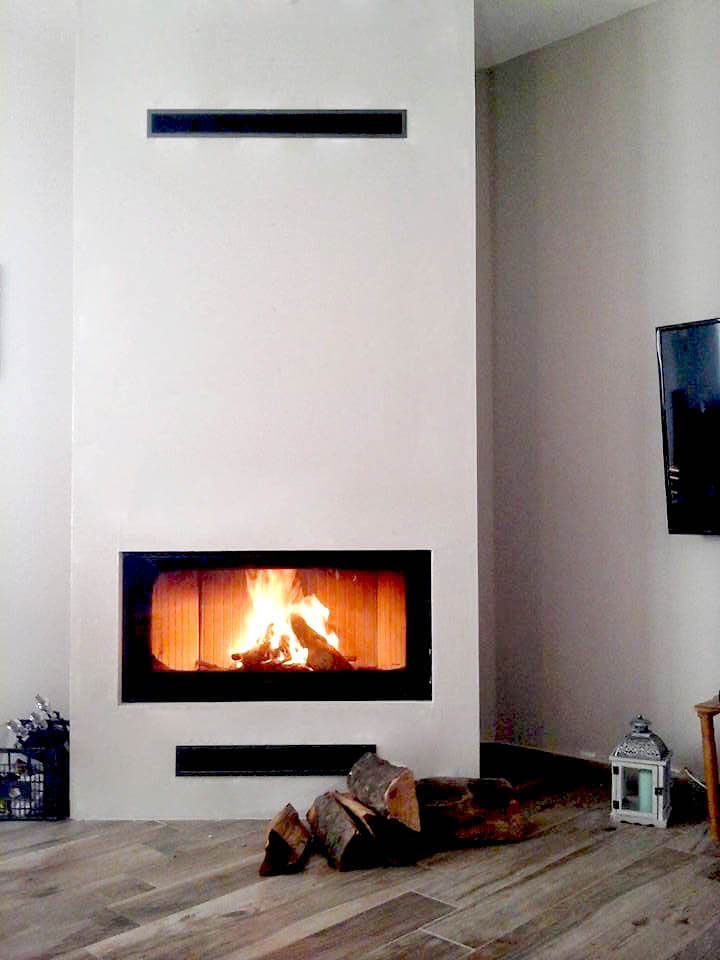
The energy-efficient air-heated fireplaces with fan They are a popular and efficient choice for heating, as they use air to distribute heat to other spaces, achieving quick and efficient heating.
How Energy Efficient Fireplaces with Fans Work
Energy efficient air-heating fireplaces combine combustion technology with active air circulation to increase efficiency and distribute heat faster and over larger areas. Their basic operation includes the following stages:
- Combustion:
- Heat is produced by burning wood, pellets or other fuel in the fireplace. Combustion produces heat that directly affects the interior of the fireplace and the air around it.
- Heat Pump (Fan):
- Air-heating fireplaces have one or more fans (fans), which are located either at the back of the fireplace or on the sides. These fans suck warm air from the fireplace and push it out, through ducts, to other rooms in the house.
- Hot Air Distribution:
- The warm air is distributed through the air ducts to other areas of the house, ensuring an even heat distribution without the need for separate radiators.
- Automatic Temperature Adjustment:
- In some models, the fireplace has temperature sensors that monitor the air temperature and adjust the fan operation to ensure maximum efficiency and comfort.
Advantages of Energy Efficient Fireplaces Fan Heaters
- Efficient Heat Distribution:
- The use of fans allows for faster and more efficient heat diffusion to more spaces, increasing energy efficiency compared to traditional fireplaces that only heat the room they are in.
- Uniform Heating:
- The warm air circulates throughout the space, ensuring that all areas of the house are heated with equal heat distribution.
- Energy Saving:
- The ability to distribute heat to multiple rooms with a single system saves energy, since no other radiators or heating systems are required.
- Comfort:
- The fan control allows for the smooth circulation of warm air, creating a pleasant atmosphere in the home without the need for other heating units.
- Durability and Functionality:
- Energy-efficient fireplaces with fans are usually made of durable materials, offering a long lifespan and continued performance.
Disadvantages of Energy Efficient Fireplaces Fan Heaters
- Noise:
- Although most fans are designed to operate quietly, some models can make noise, especially when operating at high speeds. The noise can be annoying, especially if the fans are very loud.
- Requires Maintenance:
- Fans and duct systems require periodic cleaning and maintenance to maintain proper operation and prevent the accumulation of dust and debris, which can affect system performance.
- Initial Cost:
- The initial investment for purchasing and installing an energy efficient fireplace with a fan can be higher than traditional fireplaces. The installation costs of the duct system and fans can range from €1,000 to €3,000 and above, depending on the complexity of the system and the size of the space.
- Electricity Consumption:
- While the fireplace uses wood or pellets for combustion, fans require electricity to operate, which can add a small cost to your monthly expenses.
Prices of Energy Efficient Fireplaces Fan Heaters with Fans
The price of an energy-efficient fan-assisted fireplace depends on its power, size and system characteristics. For example:
- Small Energy Fireplaces (7-9 kW):
- Price: From €2,500 to €4,500.
- Medium Energy Fireplaces (9-12 kW):
- Price: From €3,500 to €6,000.
- Larger Energy Efficient Fireplaces (12-15 kW and above):
- Price: From €5,000 to €8,000 or more.
The above costs include the cost of purchasing and installing the system. It is important to consult with experts to choose the right size and system for your home's needs.
Conclusion
The energy-efficient fireplaces with fans offer an excellent solution for efficient and comfortable heating of multiple spaces. By using air to transfer heat, these fireplaces achieve energy savings and ensure even heat distribution throughout the home. Despite their advantages, they require maintenance and the fans can produce some noise, but they remain an excellent choice for spaces that require efficient heating.
 Piping - Insulation
 Piping Fittings
 Valves – Cannulas
 Drains
 Tanks - Accessories
 Support – Tables
 Spiral
 24×19 fittings
 Welding - Sealing
 Water filter
 Various Plumbing Items
 Water tanks
 Bathroom Sinks
 Tiles
Tiles Bathroom accessories
 Mirrors
 Bathroom lighting
 Ventilation Accessories
 Basin Covers
 Basins
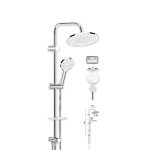 Shower Columns
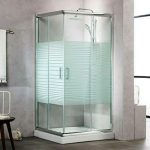 Bathroom cabins
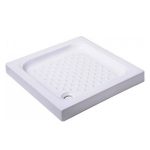 Showers
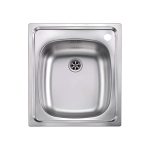 Sinks
Sinks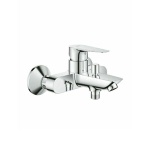 Bathroom batteries
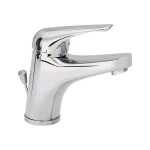 Sink batteries
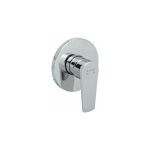 Built-in batteries
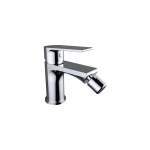 Bidet faucets
 Battery Spare Parts
 Fireplaces
 Boilers - Burners
 Heat pumps
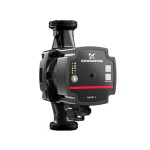 Circulators
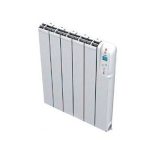 Heating Devices
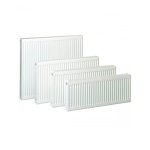 Radiator bodies
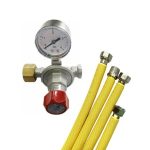 LPG accessories
 accessory
 Spare parts
 Heating accessories
 Chimneys
 Plastic tanks
 Air conditioners
 Fans
Fans Dehumidifiers
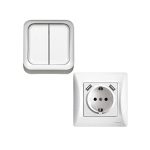 Sockets - Switches
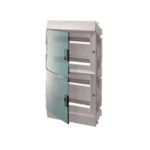 Paintings
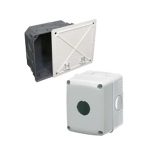 Electrical Boxes - Buat
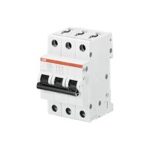 Raga materials
 Lightning Protection & Grounding
 Fishing Reels – Extensions
 Plug - Socket - Power socket - Adapters
 Dui
Dui Channels – Accessories
 UPS – Voltage Stabilizers
 Television Accessories – Antennas
 Connection & Support Materials
 Various Industrial Facilities
 Installation Pipes
 Various materials
 Alarms & Accessories
 Cables
 Consumables
 Water heaters
 Solar
Solar Boiler
 Wood-Electric Water Heaters
 LED lamps
 Headlights
 Indoor Lighting
 Outdoor Lighting
 LED Power Supplies – Controllers & Dimmers
 LED strips
 Decorative
 Various Lamps
 Fluorine lamps
 Professional Lighting
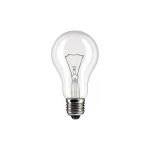 Halogen lamps
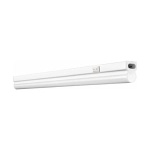 Linear Luminaires
 Tracks – LED Track Lights
 accessory
 Hand tools
 Blades & Blades
 Cleaners - Technical Sprays
 Toolboxes
 Protective Items
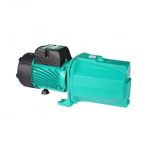 Water pumps
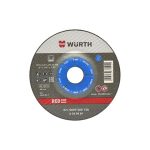 Cutting Discs
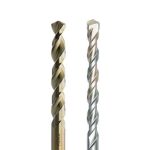 Drills – Bits
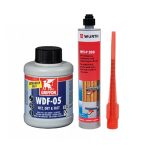 Building materials
 Adhesive Films
 Cleaning Brushes
 Connections-Watering Fittings
 Compressors – Vacuums
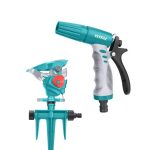 Water Guns/Throwers
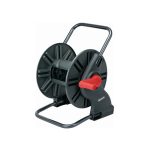 Various materials